3D Layered Geometric Panel: A Creative Design for Modern Spaces
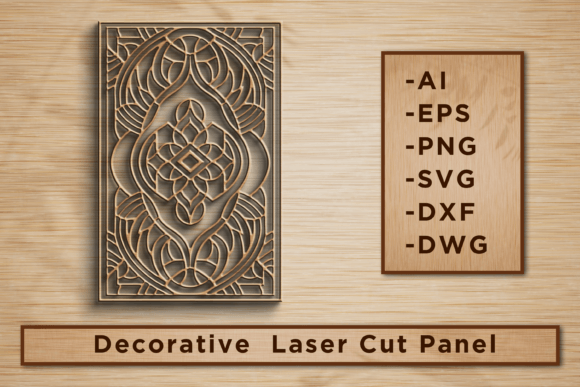
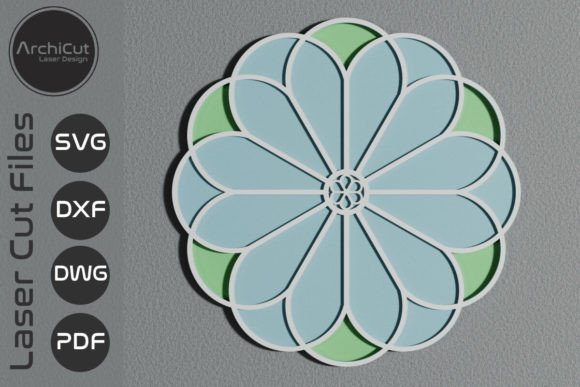
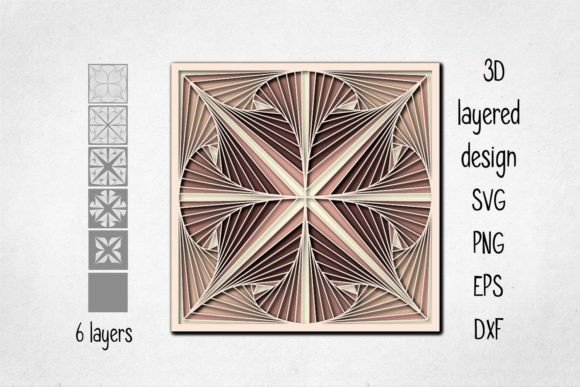
The 3D Layered Geometric Panel is a versatile and visually striking design element that brings depth, texture, and dimension to any creative project. Whether you're an interior designer, DIY enthusiast, or someone looking for a unique gift idea, this panel offers endless possibilities. It consists of multiple geometric layers that can be arranged, stacked, or modified to suit your needs. The interplay of light and shadow between the layers adds a dynamic visual effect, making it ideal for home decor, wall art, or personalized gifts.
This type of multilayer design isn't just about aesthetics—it also serves functional purposes. From branding displays to educational tools, the 3D Layered Geometric Panel can enhance spatial storytelling and make abstract concepts tangible. Its adaptability in color combinations and material choices allows creators to tailor it precisely to their vision, whether they're working on a minimalist modern space or a bold artistic statement.
Why This Design Matters in Today’s Creative Landscape
In today's fast-paced world, where first impressions count and personalization is key, the 3D Layered Geometric Panel stands out as a powerful tool. Its layered structure invites interaction—both visually and physically—which can make your creative output more engaging. For professionals in marketing, education, or event planning, this design can elevate presentations and installations with minimal effort. Hobbyists and small business owners will appreciate how it simplifies complex designs into manageable components while still delivering high-impact results.
One of the most compelling reasons to consider this design is its ability to work across various mediums. You can use it as a standalone decorative piece or integrate it into larger projects like signage, product packaging, or custom furniture. The flexibility in layer usage means you don’t have to commit to the full set if time or resources are limited. Just using one or two layers can still produce a strong visual impact, especially when paired with strategic lighting or placement.
How to Use 3D Layered Geometric Panels Effectively
When working with a 3D multilayer design, it’s important to think about the purpose behind each layer. Each cutout contributes to the overall composition, so even subtle changes in arrangement or color can significantly alter the mood and message of the final piece. Here are some practical ways to incorporate these panels into your projects:
- Home Decor: Hang a panel on a feature wall to add architectural interest without the need for structural changes. Its modular nature allows you to experiment with different sizes and placements until you find the perfect balance.
- Wall Art: Combine multiple panels to create a gallery-style installation. Use contrasting colors for adjacent layers to highlight depth and movement.
- Gifts: Personalize a panel with names, dates, or meaningful symbols. These can be framed or displayed as-is, offering a thoughtful and artistic way to celebrate milestones or express affection.
- Commercial Projects: Incorporate the design into retail displays, logos, or brand ambassadors to create a memorable visual identity.
For best results, start by selecting a material that complements your intended use. Card stock is great for quick prototypes or lightweight pieces, while wood, plastic, or MDF offer durability and a more refined finish. Plywood is another excellent option due to its stability and ease of painting or staining.
Designing with Depth and Dimension
The beauty of the 3D Layered Geometric Panel lies in its ability to manipulate perception through physical form. Unlike flat artwork, which remains static, these panels change appearance depending on the viewer’s angle and the surrounding light. This makes them particularly effective for spaces where visual engagement is important, such as lobbies, offices, or even living rooms.
A common challenge when working with layered designs is ensuring clarity and cohesion. Too many overlapping elements can create clutter, while too few may fail to deliver the desired impact. To avoid this, begin with a simple layout using just a couple of layers. Once you’re comfortable with the concept, gradually add complexity by introducing additional shapes or textures.
Material Considerations for Different Applications
Choosing the right material for your 3D Layered Geometric Panel depends largely on the environment and function of the finished product. For indoor home decor, materials like card stock or painted MDF can give a soft, elegant look. If you're creating something for outdoor display or commercial use, consider sturdier options like acrylic or treated wood that can withstand environmental factors.
Wooden panels, for instance, can be sanded and stained to match existing furniture or wall finishes, making them blend seamlessly into traditional or contemporary interiors. Plastic or acrylic versions offer a sleek, modern aesthetic and can be used in settings requiring moisture resistance, such as bathrooms or kitchens. Plywood provides a natural grain texture that can be enhanced with paint or varnish to achieve a range of styles from rustic to ultra-modern.
File Formats and Technical Tips
When you purchase a 3D Layered Geometric Panel kit, you'll receive a ZIP folder containing SVG, PNG, EPS, and DXF files. These formats cater to different production methods and devices. The SVG file is ideal for digital editing and scaling, while the PNG file with a transparent background is useful for mock-ups or digital renderings. EPS and DXF files are preferred for laser cutting or CNC machining, allowing precise replication of the design.
Before starting your project, verify that your equipment supports at least one of these file types. Most laser cutters accept SVG and DXF files, but if you're using a plotter or engraving machine, check compatibility with EPS or PNG. Also, keep in mind that the recommended minimum size is over 8 inches (20 cm) at the widest point. While you can resize the design, reducing it too much might compromise the visibility of thin elements, which are crucial for the visual harmony of the panel.
Who Can Benefit Most from This Design?
Professionals who rely on visual storytelling—such as marketers, educators, and designers—will find the 3D multilayer design invaluable. It can serve as a tactile learning aid in classrooms, a branded backdrop at trade shows, or a conversation starter in office environments. Entrepreneurs selling handmade or artisanal products can use these panels to differentiate their offerings in competitive markets.
Freelancers and hobbyists will appreciate the freedom to customize each layer independently. This allows for iterative experimentation and the opportunity to refine the design before finalizing a version. Bloggers and content creators can leverage the panel as part of lifestyle photography, adding a stylish and thematic element to their visuals.
Real-World Use Cases and Outcomes
Let’s take a closer look at how others have successfully integrated 3D Layered Geometric Panels into their work:
- Interior Designers: Used in conjunction with neutral-toned walls, these panels introduce focal points that guide eye movement and create a sense of rhythm within a room. Clients often comment on how the added dimension makes a space feel more alive and intentional.
- Event Planners: Customized panels with company logos or event themes have been employed as backdrops for photo booths, leading to higher engagement and more shareable content on social media platforms.
- Small Business Owners: A boutique owner created a series of wooden panels with geometric patterns and embedded LED lights inside the cutouts. The result was a warm, inviting atmosphere that boosted customer dwell time and sales.
These examples demonstrate the panel’s adaptability and the real-world outcomes it can help achieve. By understanding your audience and the context in which the panel will be viewed, you can tailor its design to maximize impact.
Color Combinations and Creative Freedom
One of the standout features of the 3D Layered Geometric Panel is the freedom it gives in color selection. With no pre-defined palette, you can choose hues that reflect your personal style or align with a specific theme. Monochromatic schemes provide a clean, cohesive look, while complementary or contrasting colors can generate energy and visual intrigue.
Consider the psychological effects of color when choosing your palette. Blues and greens evoke calm and sophistication, making them suitable for corporate or wellness-focused spaces. Reds and oranges bring warmth and excitement, ideal for entertainment venues or family-oriented areas. Neutral tones like greys, whites, and beiges allow the geometric forms themselves to take center stage, emphasizing structure and form.
For those new to color theory, online tools like Adobe Color or Coolors can help identify harmonious combinations. Start with one dominant color, then layer secondary and accent shades accordingly. Remember that the transparency of the design allows underlying colors or surfaces to subtly influence the final appearance, so plan accordingly.
Resizing with Care: When Bigger Isn’t Always Better
While the design is scalable, resizing it requires careful consideration. The recommended size ensures that all details remain visible and the layered effect is preserved. However, if you wish to shrink the design for smaller applications—like a desk ornament or a compact gift—be mindful of how thin lines and intricate shapes respond to scale reduction.
A practical approach is to test a scaled-down version using card stock or paper before committing to expensive materials. This helps identify potential issues with proportions and visibility. Alternatively, simplify the design by removing less critical layers or adjusting the spacing between elements to maintain visual balance.
Enhancing Communication Through Visual Design
Visual communication has become essential in both personal and professional contexts. The 3D Layered Geometric Panel can act as a bridge between abstract ideas and tangible representations. In architecture or urban planning, for example, such a panel could illustrate spatial relationships or zoning plans. In marketing, it can be used to convey brand values through symbolic shapes and arrangements.
Its layered structure encourages viewers to explore the piece from different angles, promoting curiosity and engagement. This is especially beneficial in educational settings, where interactive displays can improve retention and understanding. Teachers have reported increased student participation after incorporating these panels into classroom decorations or teaching aids.
Limitations and Best Practices
Despite its versatility, the 3D Layered Geometric Panel isn’t without limitations. The design relies heavily on proper alignment and spacing between layers. If not executed carefully, the final piece may appear disjointed or lose its dimensional appeal. Additionally, the effectiveness of the design diminishes in low-light environments, where shadows play a key role in highlighting the depth between layers.
To ensure success, always double-check your measurements and test fit the layers before assembling the final piece. If you're unsure about the best approach, consult tutorials or reach out to communities of makers and designers for advice. Comparing different material options and color palettes beforehand can also save time and reduce errors during the production phase.
Final Thoughts on Implementation
Whether you're crafting a one-of-a-kind wall hanging or developing a commercial application, the 3D Layered Geometric Panel is a valuable addition to your toolkit. Its layered format encourages creativity and problem-solving, helping you transform ideas into physical reality. As long as you understand the technical requirements and apply thoughtful design principles, the outcome can be both beautiful and meaningful.
Remember, the goal is to create something that resonates with your audience—whether that's clients, customers, students, or friends. Use the included SVG, PNG, EPS, and DXF files to explore different production techniques and find what works best for your project. And always consider the context: lighting, space, and viewer perspective will shape how the panel is perceived and experienced.
By embracing the 3D multilayer design, you open up new avenues for expression and innovation. It’s not just a decoration; it’s a medium that bridges artistry and functionality in a way that feels both intuitive and impactful.