3D Layered SVG Flip Flop Zone Laser Cut: A New Dimension in Creative Design and Home Decor
Designers, hobbyists, and entrepreneurs are increasingly turning to 3D layered SVG files for laser cutting projects. Among the many creative applications, one standout is the Flip Flop Zone—a concept that brings playful, modern aesthetics into home decor through layered laser-cut designs. Whether you're using a Glowforge, traditional laser cutter, CNC router, or a Cricut machine, these files offer precision, flexibility, and visual appeal that align with today’s evolving design landscape.
Understanding 3D Layered SVG Files
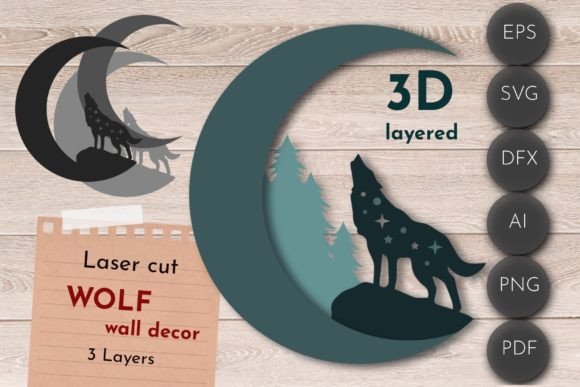
SVG (Scalable Vector Graphics) has long been a staple in digital design due to its scalability and clean lines. But when combined with a layered approach, especially in three dimensions, it opens up new possibilities for crafters and manufacturers alike. 3D Layered SVG files allow designers to create depth by layering multiple vector shapes, each of which can be cut separately and then assembled to form a dimensional piece.
This technique is particularly useful for those working with laser cutters. Unlike flat designs, 3D layered SVGs enable the creation of intricate models, wall art, and decorative items that pop visually. The layers are typically separated in the file, making it easy to adjust spacing, material thickness, or color schemes before printing or cutting.
What Makes This Approach Unique?
- Depth and Detail: With layered SVGs, you can add dimension without requiring complex 3D modeling software.
- Compatibility: These files work across a wide range of machines including Glowforge, Cricut, and CNC routers.
- Customization: Each layer can be modified independently, allowing for tailored adjustments to suit specific materials or styles.
The Rise of the Flip Flop Zone in Design
The term "Flip Flop Zone" might sound casual, but it represents a serious shift in how people approach interior design and personal expression. Inspired by the relaxed, carefree vibe of flip-flops, this design philosophy embraces simplicity, functionality, and a touch of whimsy. It's about creating spaces that feel comfortable, uncluttered, and uniquely yours.
Incorporating 3D layered SVG into this aesthetic allows for the production of custom decor pieces that embody the "flip flop" ethos. From floating shelves with minimalist frames to layered wall art with soft curves and open spaces, the results are both stylish and approachable. These designs often feature organic shapes, natural motifs, and clean silhouettes—perfect for blending into modern living environments.
How It Fits Into Modern Workflows
With more people working from home and investing in their personal spaces, there's a growing demand for decor that reflects individuality and meets practical needs. The Flip Flop Zone trend taps into this desire by promoting a lifestyle that values comfort and creativity over rigid, formal interiors.
Laser cutting technology supports this movement by enabling fast, precise production of high-quality, bespoke items. Whether you're an entrepreneur selling handmade products or a homeowner looking to personalize your space, 3D layered SVG files streamline the process. You can easily source pre-designed templates, customize them, and produce unique items that stand out in a market saturated with mass-produced goods.
Practical Applications of Laser Cut Files
One of the most compelling aspects of 3D Layered SVG is its versatility. When paired with laser cut files, it becomes a powerful tool for crafting everything from furniture accents to personalized gifts. Let's explore some realistic examples where these files shine:
- Wall Art: Use layered SVGs to create abstract or nature-inspired wall hangings that add depth and character to any room.
- Coasters and Trivets: Stack layers of acrylic or wood to make durable yet artistic coasters that double as conversation starters.
- Shelves and Organizers: Design modular, floating shelves with cutouts and textures that enhance both function and style.
- Home Accents: Produce lampshades, picture frames, or candle holders with subtle 3D elements that elevate everyday objects.
These projects are not only visually appealing but also achievable with minimal setup. Many creators find that using pre-made laser cut files significantly reduces the time spent on design, allowing them to focus on assembly and finishing touches.
Choosing the Right File Formats
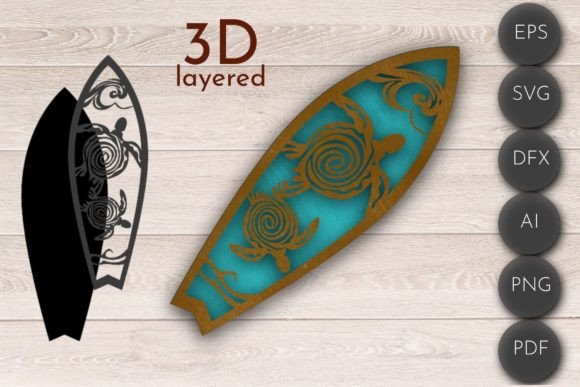
When working with 3D Layered SVG for laser cutting, it's essential to understand the different file formats included. Most comprehensive packages will offer a variety of options such as AI, SVG, DFX, PDF, PNG, EPS, and sometimes filled layered AI and PNG files. Here's what they mean for your workflow:
- AI (Adobe Illustrator): Ideal for editing and adjusting layers before sending to the laser cutter.
- SVG: Perfect for direct import into laser cutting software like LightBurn or Glowforge Designer.
- DXF: Commonly used in industrial settings and compatible with most CNC routers.
- PDF: Great for visual reference or printing if you need to share with others who don't use vector software.
- PNG/EPS: Useful for previewing the final look or preparing for digital prints.
Having access to filled layered files means you can experiment with color and texture during the design phase, even if your end goal is laser cutting. This combination of digital tools gives you control at every stage of the creative process.
Trends Driving Interest in 3D Layered Laser Cut Projects
Several trends have converged to make 3D Layered SVG and laser cutting more popular than ever:
1. The DIY and Maker Movement
More people are embracing hands-on creation, whether it's for personal satisfaction or small business ventures. Laser cutters and craft machines like Cricut have become more affordable and user-friendly, lowering the barrier to entry. The availability of ready-to-use SVG files helps makers bring ideas to life quickly and efficiently.
2. Customization Demands
Consumers today want products that reflect their tastes. Generic store-bought items no longer suffice. By using 3D layered SVG files, you can create one-of-a-kind decor that caters to niche markets and personal preferences. This is especially relevant in the Flip Flop Zone context, where customization enhances the sense of personal space and comfort.
3. Sustainability and Material Innovation
There's a rising interest in sustainable and eco-conscious materials. Laser cutting allows for efficient use of resources, minimizing waste. When you combine this with 3D layered SVG designs, you can build stunning decor while being mindful of environmental impact. Materials like reclaimed wood, bamboo, and recycled acrylics are commonly used in this space.
4. Remote Work and Home Office Aesthetics
As remote work continues to shape our lives, people are investing in their home offices more than ever. The Flip Flop Zone trend offers a way to blend productivity with relaxation. Laser-cut 3D decorations help achieve this balance by adding visual interest without overwhelming the space.
Why Pay Attention to 3D Layered SVG Now?
While laser cutting isn't new, the integration of 3D layered SVG into the workflow marks a significant evolution. It's a bridge between digital design and physical craftsmanship, empowering users to create professional-looking items from the comfort of their homes or workshops.
Moreover, the rise of online marketplaces and social media platforms has made it easier to showcase and sell these creations. If you're a blogger, educator, or marketer, incorporating 3D layered SVG into your content can attract a highly engaged audience interested in innovation and creativity.
For professionals in design, architecture, or retail, understanding and utilizing these files can lead to cost-effective product development and faster prototyping. It’s a forward-thinking move that positions you ahead of the curve in an increasingly competitive market.
Real-World Examples and Recommendations
Let’s say you’re launching a line of home decor. Instead of hiring a 3D designer for every model, you could start with 3D layered SVG templates and adapt them using Adobe Illustrator or similar tools. Once finalized, send them to your Glowforge or laser cutter for production. This method keeps costs low and allows for quick iterations based on customer feedback.
Another example is a teacher or workshop leader introducing students to laser cutting. Starting with Flip Flop Zone-style layered SVGs provides a clear, engaging way to teach concepts like layer management, material selection, and spatial design. It makes learning tangible and fun.
Here are a few recommendations for anyone getting started:
- Begin with a basic project like a 3D flower or geometric pattern to understand how layers interact.
- Use transparent or colored acrylic sheets to highlight the depth of your designs.
- Experiment with different finishes—matte, glossy, or textured—to enhance the visual appeal of your final product.
Future Outlook and Realistic Expectations
As laser cutting and SVG design continue to evolve, we can expect more specialized templates like 3D Layered SVG for the Flip Flop Zone to become standard in creative workflows. However, it's important to set realistic expectations. While these files simplify the process, they still require some level of technical knowledge and attention to detail.
You won’t need a degree in engineering, but understanding how to scale, nest, and prepare files for your specific machine will improve results. Fortunately, many online communities and tutorials exist to guide you through these steps. What matters most is curiosity and a willingness to learn through trial and error.
Additionally, as more businesses adopt hybrid models and consumers seek meaningful experiences, the ability to create custom, tactile products will remain valuable. Those who master the use of 3D layered SVG and laser cut files will be well-positioned to meet this growing demand.
Getting Started with Your Own Project
If you're intrigued by the potential of 3D Layered SVG, here’s how to begin:
- Acquire a package that includes outline layered files in AI, SVG, DXF, PDF, PNG, and EPS formats, along with filled layered AI and PNG for previews.
- Choose a machine-compatible format based on your equipment—Glowforge users might prefer SVG, while CNC operators may lean toward DXF.
- Test your design on scrap material to ensure proper alignment and spacing between layers.
- Finish your pieces with sanding, painting, or polishing to match your desired aesthetic.
Whether you're building a brand, redecorating your living room, or simply exploring a new hobby, the Flip Flop Zone and 3D layered SVG provide a fresh, dynamic approach to design. They empower you to create with purpose, precision, and personality.
Final Thoughts on Integrating 3D Layered SVG into Your Workflow
The beauty of 3D Layered SVG lies in its ability to merge digital innovation with physical artistry. As part of the Flip Flop Zone trend, it represents a broader cultural shift toward simplicity, sustainability, and self-expression. For those using laser cutters, CNC routers, or craft machines like Cricut, these files offer a pathway to producing elegant, functional, and eye-catching decor items.
Investing time in learning how to leverage these files now can pay off in the future, whether you're scaling a side hustle or just experimenting with new ways to beautify your surroundings. The key is to stay curious, embrace the tools available, and let your creativity lead the way.