Wall Clock SVG, Laser Cut File: A Practical Guide for Creative Professionals
For those who enjoy blending design with functionality, the Wall Clock SVG, Laser Cut File is a valuable digital asset. These files are specifically crafted for laser-cutting machines and offer an efficient way to create custom wall clocks using materials like plywood, MDF, acrylic, or plexiglass. Whether you're a woodworker, designer, or small business owner looking to expand your product line, understanding how these files perform in real-world applications can help you make informed decisions.
What Is a Wall Clock SVG, Laser Cut File?
A Wall Clock SVG, Laser Cut File is a vector-based digital template designed to be used with laser cutters or CNC routers. It typically includes all the necessary components of a clock face—numbers, hands, mounting hardware, and decorative elements—all laid out precisely for cutting. The file is usually provided in multiple formats such as DXF, SVG, CDR, AI, and PDF to ensure compatibility across various design and fabrication software.
The SVG format, being scalable and resolution-independent, allows for high-quality output regardless of size. This makes it especially useful when crafting large-format wall art or intricate designs that demand precision. Additionally, the inclusion of other formats like DXF and CDR supports more specialized workflows, particularly for users working with CAD programs or CorelDRAW.
Key Characteristics and Purpose
These digital files are primarily intended for individuals and businesses interested in producing their own wall clocks. Their purpose lies in simplifying the design process by offering pre-made templates that maintain structural integrity and aesthetic appeal. Key characteristics include:
- Precision Design: Each element is accurately placed to ensure proper assembly after cutting.
- Material Flexibility: Suitable for use with a wide range of materials including wood, acrylic, and plastic.
- Customization Options: Most files allow for easy modification of size, color, and layout without compromising quality.
- Compatibility: Available in multiple file types to suit different design tools and laser cutter models.
By leveraging these features, creators can streamline production while maintaining control over the final look and feel of the clock.
Strengths and Practical Value
One of the most significant strengths of a Wall Clock SVG, Laser Cut File is its ability to reduce time spent on designing from scratch. Instead of creating every detail manually, users can focus on selecting materials, adjusting dimensions, and adding personal touches. This not only speeds up the process but also ensures consistency across multiple units if needed for a commercial project.
Another advantage is the adaptability of the file to different thicknesses of material. This flexibility is crucial because it allows artisans to experiment with various substrates and finishes. For instance, using thick plywood might give a rustic appearance, whereas thin acrylic could yield a sleek, modern design. The universal nature of the file means it's not limited to a specific aesthetic or material preference.
In educational settings, such as woodworking or design workshops, these files serve as excellent teaching tools. They provide students with a clear example of how vector graphics translate into physical objects through laser cutting. Similarly, entrepreneurs running small-scale manufacturing operations benefit from the repeatability and accuracy these files offer, making them ideal for batch production.
Real-World Performance and Limitations
In practice, the performance of a Wall Clock SVG, Laser Cut File largely depends on the user’s equipment and technical skill level. High-quality laser cutters will produce clean edges and accurate cuts, preserving the design’s intent. However, lower-end machines may require adjustments in power or speed settings to achieve similar results.
Usability is another factor to consider. While many files come with instructions or assembly guides, some users may find the initial setup challenging if they’re unfamiliar with laser cutting software. That said, once the learning curve is overcome, the process becomes quite straightforward. It’s advisable to test the file on scrap material first to ensure alignment and fit before committing to the final piece.
It’s also important to note that these files are typically designed for flat materials. If you plan to incorporate 3D elements or curved surfaces, additional customization may be required. Moreover, the complexity of the design can impact the amount of time and effort needed for post-cutting finishing tasks, such as sanding, painting, or assembling moving parts.
Who Can Benefit Most and Why
Creative professionals across several fields can derive value from Wall Clock SVG, Laser Cut Files. Here are a few examples:
- Woodworkers and Crafters: Ideal for creating unique, handcrafted wall clocks that can be sold or gifted.
- Interior Designers: Useful for incorporating personalized timepieces into home or office decor projects.
- Small Business Owners: Perfect for expanding product offerings with minimal overhead and maximum efficiency.
- DIY Enthusiasts: Great for hobbyists who want to experiment with design and fabrication techniques at home.
Additionally, educators and makerspaces can utilize these files to teach principles of design, engineering, and digital fabrication. The availability of multiple file formats and detailed vector plans makes them accessible even to beginners, provided they have access to appropriate tools and guidance.
Evaluating Quality and Long-Term Value
Quality in a Wall Clock SVG, Laser Cut File is determined by the accuracy of the design, the clarity of the vector paths, and the overall structure of the clock. A well-designed file should account for tolerances between pieces, ensuring that each component fits seamlessly after cutting. It should also include clear guidelines for assembly and any recommended adjustments based on material type.
Long-term value is enhanced when the file supports future modifications. Some packages include variations like different watch models or decorative styles, allowing users to update their designs without purchasing new templates. This adaptability helps justify the cost and makes the file a sustainable resource for ongoing creative projects.
When assessing the reliability of a file, it’s helpful to review samples or feedback from previous users. A reliable file will consistently produce functional and visually appealing clocks across different materials and setups. Look for templates that are regularly updated and compatible with the latest versions of popular design software.
Watch Models and Decorative Variants
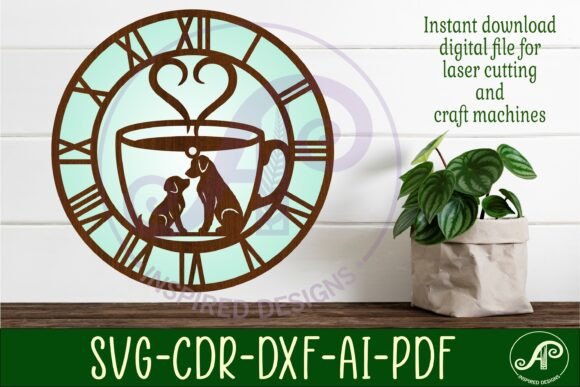
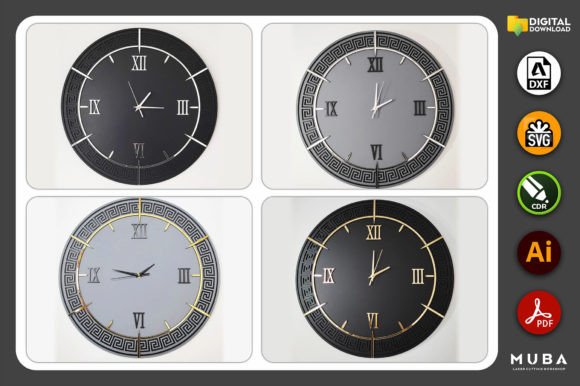
Some collections of Wall Clock SVG, Laser Cut Files go beyond basic analog designs by offering watch models and other decorative options. These variants often feature minimalist aesthetics, vintage-inspired details, or geometric patterns that align with modern interior trends. For example, a watch-style clock with Roman numerals and a brushed metal finish can complement both contemporary and traditional spaces.
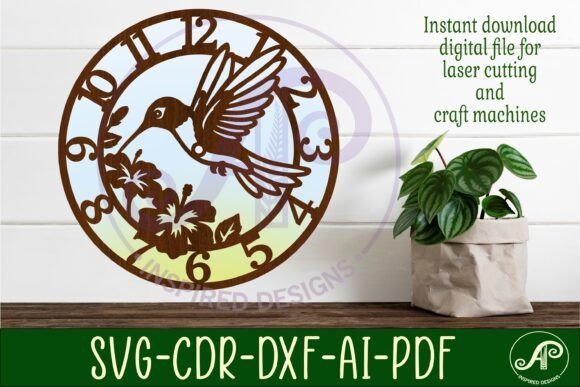
Decorative clock designs may also include layered elements or inlays, which can be achieved by separating the file into multiple layers for sequential cutting. This adds depth and visual interest, transforming a standard wall clock into a standout piece of decor. Such versatility is a key reason why many designers choose to work with these digital assets rather than sourcing pre-made products.
Choosing the Right File for Your Project
To determine whether a Wall Clock SVG, Laser Cut File suits your needs, start by evaluating the scale and scope of your project. Are you planning a one-off gift or a series of items for sale? Do you need to adjust the design significantly, or are you looking for something ready-to-use?
Consider the following practical factors:
- Software Compatibility: Ensure the file works with your current design or laser-cutting software.
- Material Thickness: Check if the file specifies recommended material thickness or if it can be adjusted accordingly.
- Assembly Complexity: Review the number of parts and the difficulty of putting them together.
- Design Style: Choose a template that matches the aesthetic of your space or target audience.
Also, think about the presentation of the file itself. Well-organized layers and labeled components save time during the cutting and assembly phases. Avoid files that appear cluttered or lack documentation, as they may lead to unnecessary trial and error.
Effectiveness in Workflow Integration
Integrating a Wall Clock SVG, Laser Cut File into your workflow requires a few preparatory steps. First, import the file into your design software and verify that all layers are visible and properly scaled. Then, adjust the file to match the material you’ll be using—this includes setting the correct kerf compensation if necessary.
Once prepared, the file can be sent directly to the laser cutter or CNC machine. The precision of the vector paths ensures that each part is cut exactly as intended, minimizing waste and reducing the need for manual corrections. After cutting, the remaining task is usually simple assembly and finishing touches, making it a highly effective solution for time-sensitive or repetitive projects.
However, the effectiveness of this integration hinges on having the right tools and knowledge. If you’re new to laser cutting, investing in a brief tutorial or consulting with someone experienced can significantly improve your outcome and satisfaction with the file.
Final Considerations
While Wall Clock SVG, Laser Cut Files offer considerable benefits, they are not a one-size-fits-all solution. Users must balance the advantages of speed and customization against the potential challenges of setup and material selection. Nonetheless, for those who prioritize precision and creativity in their projects, these files represent a smart investment.
If you’re looking to add a unique, handmade touch to your creations or explore new avenues in product design, a Wall Clock SVG, Laser Cut File is worth considering. Its combination of usability, flexibility, and professional-grade output makes it a strong candidate for both personal and commercial applications. Just remember to evaluate your specific needs and resources before proceeding with any purchase or project.