Football SVG, DXF, EPS, JPG, PNG: A Practical Guide to Choosing the Right File Format for Your Project
In today’s digital design landscape, understanding file formats is essential when working with graphics—especially if you're involved in crafting, laser cutting, embroidery, or any project requiring precise vector and raster assets. One popular set of files includes Football SVG, DXF, EPS, JPG, and PNG, which are often offered together as a downloadable package. These formats serve different purposes and have unique advantages depending on your needs. This article explores each format in detail, how they compare, and when they might be most suitable for your work.
What Are Football SVG, DXF, EPS, JPG, and PNG Files?
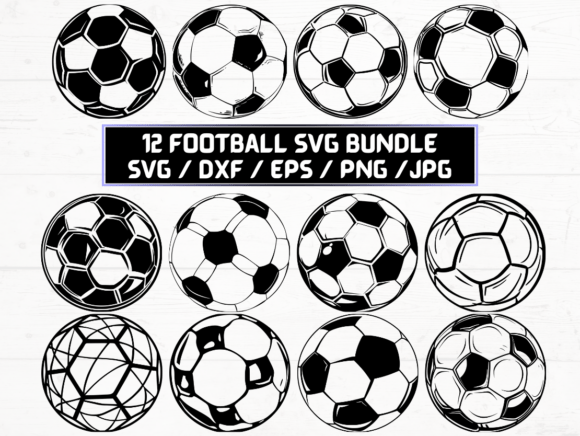
The term "Football SVG, DXF, EPS, JPG, PNG" typically refers to a collection of graphic files related to a football (American football, soccer ball, etc.) design. Each file type caters to specific applications:
- SVG (Scalable Vector Graphics): A vector-based format ideal for resizing without loss of quality. Perfect for screen printing, embroidery, and Cricut/Silhouette machines.
- DXF (Drawing Exchange Format): Commonly used in CAD software and laser cutters. It maintains scalability and precision, especially for technical designs.
- EPS (Encapsulated PostScript): A versatile vector format that supports both vector paths and embedded bitmaps. Often preferred by print designers for high-quality output.
- JPG (Joint Photographic Experts Group): A widely-used raster image format that compresses well for web use but loses quality when scaled up.
- PNG (Portable Network Graphics): Another raster format, but it supports transparency and higher quality than JPG, making it great for digital displays and overlays.
Vector Formats: SVG, DXF, and EPS
Scalability and Precision
Vector formats like SVG, DXF, and EPS are resolution-independent, meaning they can scale infinitely without pixelation. This makes them particularly valuable for projects where size adjustments are common, such as signage, apparel, and custom decorations. The Football SVG format is especially useful for hobbyists using digital cutting tools due to its compatibility with software like Adobe Illustrator and Silhouette Studio.
Technical Use Cases
DXF is heavily utilized in manufacturing and engineering fields because it’s supported by many CAD programs. If you’re planning to laser cut or engrave a football design onto wood, acrylic, or metal, the Football DXF file ensures accurate reproduction of lines and curves.
EPS is favored by professional designers for print media. It offers more flexibility in editing individual elements within the design and integrates seamlessly into layout software like InDesign. When considering Football EPS files, you gain access to editable vectors that maintain clarity at any size.
Raster Formats: JPG and PNG
Image Quality and Transparency
JPG is best suited for photographic images or complex gradients. However, it does not support transparency, so it may not be the right choice for layered designs or digital overlays. The Football JPG file is great for social media posts or websites where image compression is necessary for faster loading times.
PNG, on the other hand, supports lossless compression and transparent backgrounds, making it highly flexible for digital use. The Football PNG file would be an excellent option if you plan to place the design over various backgrounds or need crisp edges for online banners or logos.
SVG: For Digital Cutting and Embroidery
If you're a DIY enthusiast or craft professional using digital cutting machines, the Football SVG file is indispensable. Its ability to retain sharp lines and scalable dimensions allows for accurate cuts on materials like vinyl, fabric, or paper. Additionally, SVG files can be easily edited using vector graphic software, offering customization options for colors, sizes, and shapes.
DXF: For Technical Applications and Laser Cutting
For those engaged in laser cutting or CNC machining, the Football DXF file provides the necessary structure and precision. Unlike some vector formats, DXF is designed specifically for engineering and architectural uses, ensuring compatibility across platforms and machines. It's also a go-to format for creating stencils, templates, or intricate patterns that require exact measurements.
EPS: For Print Projects and Professional Editing
Graphic designers and print professionals will find the Football EPS file extremely useful. It allows for detailed editing and layering, which is important when preparing for commercial print jobs. Whether you're designing a poster, brochure, or billboard, EPS ensures that the football imagery remains clear and professional-looking at large scales.
JPG: For Web and Social Media Use
When sharing the football design online or embedding it in a website, the Football JPG format is efficient due to its smaller file size and broad compatibility. It’s ideal for background images, thumbnails, or any application where fast load times are crucial. However, avoid using JPG for anything that requires transparency or high-resolution scaling.
PNG: For High-Quality Digital Displays
If you're aiming for a clean, transparent football graphic for a digital project, the Football PNG file is your best bet. It maintains high resolution and supports alpha channels, allowing the design to blend smoothly with different backgrounds. PNG is commonly used in app development, e-commerce sites, and digital marketing campaigns.
Comparing Football SVG, DXF, EPS, JPG, and PNG
Choosing between these formats often depends on the end-use scenario. Here’s a practical comparison based on typical user requirements:
- Editing Flexibility: SVG and EPS offer full editability in vector editors, while DXF is more limited unless you use CAD software. JPG and PNG are static raster images with no editing capability beyond basic cropping or color correction.
- Compatibility: SVG works well with most modern design software, including free tools like Canva or Figma. DXF is tailored for technical software like AutoCAD or CorelDRAW. EPS is compatible with Adobe products. JPG and PNG are universally accepted by almost all devices and platforms.
- Transparency Support: Only PNG among the listed formats supports transparent backgrounds. This is critical for overlaying the football design on multiple surfaces or creating layered compositions.
- Print vs. Digital: Vector formats (SVG, DXF, EPS) are generally better for print because they preserve quality at larger sizes. Raster formats (JPG, PNG) are better suited for digital screens, though PNG is preferable for high-quality visuals with transparency.
Best-Fit Situations for Each Format
SVG: Ideal for screen printing, vinyl cutting, and embroidery. Great for hobbyists and small businesses who want to customize their materials with a football theme.
DXF: Best for laser cutting, engraving, and CNC routing. Suited for makerspaces, industrial designers, or anyone working with physical materials.
EPS: Perfect for professional print projects, such as posters, flyers, and packaging. Offers robust editing capabilities for designers who need to tweak the football design extensively.
JPG: Suitable for low-resolution web use, email headers, or social media content. Not recommended for anything requiring transparency or high-quality scaling.
PNG: Excellent for digital projects requiring transparency and high resolution. Frequently used in online branding, digital art, and product mockups.
Limitations and Considerations
While each format has its strengths, there are limitations to consider:
- SVG can sometimes have issues with certain software or printers if not properly converted or optimized.
- DXF may not render correctly in non-technical design tools, limiting its usability outside of engineering or fabrication contexts.
- EPS files can become large and unwieldy if they include embedded bitmaps or complex layers.
- JPG suffers from quality degradation when resized upward, which can be problematic for large-scale prints.
- PNG tends to have larger file sizes than JPG, which could affect website performance if used excessively without optimization.
Realistic Examples of Usage
Let’s look at a few real-world examples to illustrate when each format shines:
- Example 1: A sports-themed t-shirt vendor wants to add a football logo to their designs. They download the Football SVG file and import it into their embroidery machine, adjusting the size and color as needed.
- Example 2: An event planner is creating wooden trophies for a football tournament. They opt for the Football DXF file to ensure the laser cutter accurately reproduces the emblem on each trophy.
- Example 3: A designer is tasked with updating a company’s promotional material with a new football motif. They use the Football EPS file to make detailed edits in Illustrator before sending it off for high-quality printing.
- Example 4: A blogger is creating a post about fall activities and needs a football graphic for the header. They choose the Football PNG file to overlay the image on a gradient background without visible edges.
Decision Factors for Selecting the Right Format
To determine which file format fits your needs best, ask yourself the following questions:
- Will I be using this for digital cutting? → Go with Football SVG.
- Do I need to cut or engrave physical materials? → Try Football DXF.
- Am I preparing for print? → Opt for Football EPS.
- Is this for web or social media? → Use Football JPG for speed or Football PNG for quality and transparency.
Alternatives and Complementary Tools
While the Football SVG, DXF, EPS, JPG, and PNG bundle covers a wide range of use cases, there are situations where alternative formats or tools may be beneficial:
- PDF: Though not included in the bundle, PDF can be a good export option for sharing the design with clients or for archival purposes.
- AI (Adobe Illustrator): If you need to modify the design further and have access to Adobe tools, converting the EPS or SVG to AI could offer additional features.
- TIFF: A lossless raster format similar to PNG but less common. Useful in some print workflows.
Additionally, consider whether you’ll need software-specific plugins or drivers for your chosen format. For instance, DXF files may require special settings in laser cutting software, while SVG files might benefit from being opened in Adobe Illustrator for advanced tweaks.
Final Thoughts on File Selection
Selecting the correct file format from the Football SVG, DXF, EPS, JPG, PNG package ensures optimal results for your project. While SVG and DXF excel in cutting and engraving, EPS gives designers more control for print. Meanwhile, JPG and PNG are the go-to choices for digital display, with PNG being the superior option when transparency is required.
Ultimately, the decision should align with your workflow, equipment, and intended outcome. If you're unsure which format to choose, downloading the complete ZIP folder allows you to experiment and see which one works best for your purpose. With this information, you can confidently evaluate which file format is right for your next football-themed design project.