Baby Zebra Laser Cut File: A Guide to Choosing and Using the Right Design for Your Project
Creating personalized, high-quality laser-cut designs has become increasingly popular among hobbyists, small business owners, educators, and professional crafters. One standout design in this space is the Baby Zebra Laser Cut File, which offers a charming and versatile template perfect for a wide range of creative applications. Whether you're making custom wall art, signage, or promotional items, understanding how to choose and use these files effectively can make all the difference in your final product.
What Is a Baby Zebra Laser Cut File?
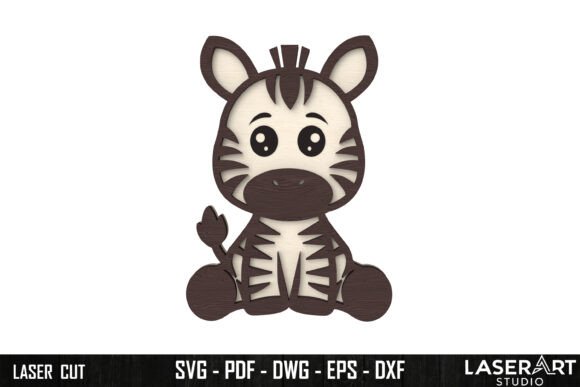
A Baby Zebra Laser Cut File is a digital design that allows users to cut intricate baby zebra shapes using a laser cutter. These files typically come in multiple formats such as SVG, DXF, EPS, PDF, and DWG — all housed in a convenient ZIP folder. The compatibility with most laser cutting machines and design software makes them accessible for both beginners and seasoned professionals.
The appeal of these files lies in their versatility. You can scale them for different projects, from tiny keychains to large wall murals. Their clean lines and recognizable shape also lend themselves well to various styles, including minimalist, rustic, or whimsical aesthetics. Because of this, they are frequently used in home decor, event signage, educational materials, and even branded merchandise.
Common Mistakes When Choosing Baby Zebra Laser Cut Files
While the Baby Zebra Laser Cut File may seem straightforward to use, there are several common pitfalls that can affect your results:
- Not checking file resolution: Low-resolution files can result in jagged edges or poor detail when scaled up. Always ensure the file you download maintains clarity at larger sizes.
- Ignoring machine compatibility: Although most modern laser cutters support SVG and DXF, some older models may not handle certain file types efficiently. Verify compatibility before purchasing or downloading.
- Assuming all files are editable: Some laser cut files are pre-designed and cannot be modified easily. Look for files that allow resizing, layering, and customization to suit your needs.
- Skipping material considerations: The thickness and type of material (plywood, acrylic, MDF, etc.) can influence how the file performs. Ensure the design is suitable for the material you plan to use.
Example of a Common Issue
Imagine you’re creating a set of nursery wall signs using the Baby Zebra Laser Cut File. You download a free version from an online marketplace, only to find out later that it lacks vector layers, making it impossible to adjust text or spacing. This oversight could lead to misaligned elements or a finished product that doesn’t match your vision.
How These Mistakes Impact Your Projects
Making these errors might not just slow down your workflow; they can also impact the overall quality and usability of your project. Poorly resolved images can look unprofessional, especially if you're producing items for sale or client work. Incompatibility issues can cause delays and frustration, while non-editable files limit your ability to personalize the design.
Additionally, using the wrong material without considering the design’s complexity can lead to burnt edges or incomplete cuts. For instance, thick wood may require slower speed settings and more power than your machine can provide with the current setup. Understanding these factors ensures your final product looks polished and meets your expectations.
Practical Tips for Avoiding Issues
To get the best results from your Baby Zebra Laser Cut File, consider the following strategies:
- Review file details thoroughly: Before purchasing or downloading, check for information about resolution, scalability, and whether the file includes editable text or layers.
- Test on scrap material first: Use leftover scraps of your chosen material to test the design and make necessary adjustments to your laser settings.
- Opt for premium or verified sources: While free files are tempting, investing in a professionally designed and verified Baby Zebra Laser Cut File often ensures better performance and flexibility.
- Understand your machine’s capabilities: Consult your machine’s manual or user forum to determine what file types and settings work best for complex animal shapes like zebras.
Real-World Application Example
If you're an educator planning to create a classroom decoration using the Baby Zebra Laser Cut File, start by selecting a file that includes layered components. This way, you can customize the zebra's name or add other animals for a cohesive theme. Then, print the design on paper first using the included PDF to visualize the layout before committing to expensive materials.
Things to Check Before Downloading or Purchasing
To avoid potential problems, always verify the following before you proceed:
- Supported file formats: Confirm the package includes SVG, DXF, EPS, PDF, and DWG, depending on your software preferences.
- License terms: If you plan to sell items made with the file, ensure the license permits commercial use. Many free files restrict resale unless properly credited or purchased under a commercial-use agreement.
- File size and complexity: Larger, detailed designs may take longer to cut and require more precise calibration. Choose a file that matches your project scope and equipment limitations.
- User reviews and ratings: Look for feedback from others who have used the same file. They can highlight any hidden issues or share helpful tips for optimal results.
Enhancing Creativity with Baby Zebra Laser Cut Files
One of the greatest advantages of the Baby Zebra Laser Cut File is its adaptability. Here are a few ways to elevate your projects:
- Combine with other designs: Use the zebra alongside trees, stars, or letters to build a complete scene for events or gifts.
- Experiment with finishes: After cutting, paint, stain, or powder-coat the pieces to enhance visual appeal and durability.
- Incorporate into kits: Package the zebra design with materials and instructions to sell as a DIY kit, appealing to a broader audience of crafters.
- Create interactive displays: Use the zebra as part of a sensory board for children or a mobile for nurseries, adding movement and texture through thoughtful assembly.
Corrective Approach for Better Results
Suppose you’ve already bought a file but noticed the lines aren’t smooth when previewed in your design software. Instead of proceeding blindly, open the file in a vector editor like Adobe Illustrator or Inkscape to inspect the paths. If the curves appear broken or pixelated, it’s likely a low-quality raster image disguised as a vector. In this case, return the file and opt for one with true vector paths for crisp, scalable edges.
Choosing the Right Source for Baby Zebra Laser Cut Files
With so many platforms offering laser cut files, selecting a reliable source is crucial. Opt for marketplaces or designers with a track record of delivering accurate, high-quality files. Platforms like Etsy, Creative Market, or specialized CNC file websites often provide clear descriptions and previews, helping you make informed choices.
Also, consider the level of support offered. Some sellers include tutorials or customer service to help you troubleshoot common issues, which can be incredibly valuable if you're new to laser cutting.
Conclusion
The Baby Zebra Laser Cut File is a powerful tool for anyone looking to add charm and personality to their laser-cutting projects. However, success depends on careful selection, testing, and understanding of both the file and your machine. By avoiding common mistakes and taking a proactive approach to preparation, you can unlock the full potential of this design and achieve stunning results every time.
Whether you're crafting for personal enjoyment, running a small business, or teaching a class, investing time in learning how to properly use these files will pay off in the long run. With the right knowledge and resources, the Baby Zebra Laser Cut File becomes more than just a pattern — it becomes a foundation for creativity and excellence in your work.